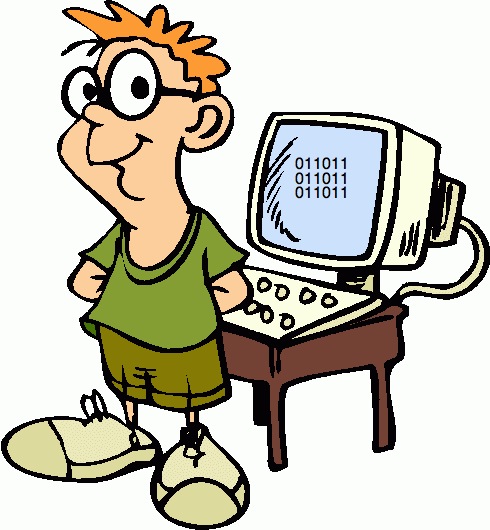
How easy is it to count in binary?
It’s as easy as 01 10 11.

How easy is it to count in binary?
It’s as easy as 01 10 11.

(Clipart by http://www.gallerygraphics.com)
A biologist, a chemist, and a statistician are out hunting. The biologist shoots at a deer and misses five feet to the left. The chemist takes a shot and misses five feet to the right. The statistician yells “We got ’em!”

(Photo credit: http://www.cafepress.co.uk)
I’m a nobody,
nobody is perfect,
and therefore I’m perfect!

Am I ambivalent? Well, yes and no.

(Pic credit: http://www.funinmarriage.com)
They call our language the mother tongue
because the father seldom gets to speak!

(Pic credit: http://www.grinningplanet.com)
Whenever I go near a bank
I get withdrawal symptoms.
As you know, Hiwhiskers (Hibiscus) is a tropical shrub that produces showy trumpet-shaped flowers in an array of beautiful colours.
So, today I will tell you the meaning of each colour based on the colour ‘phycatlogy’ facts:
White hibiscus

White is the colour of purrrfection and it indicates a fresh beginning. It’s a reminder for humans to start clearing their clutter and obstacles away.
Pink hibiscus
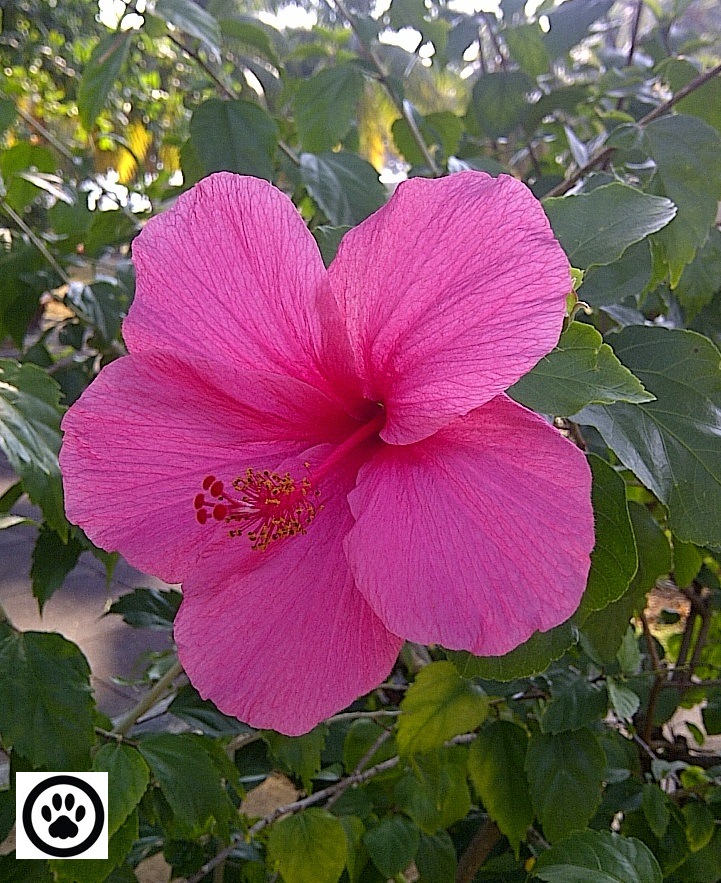
Shocking pink!
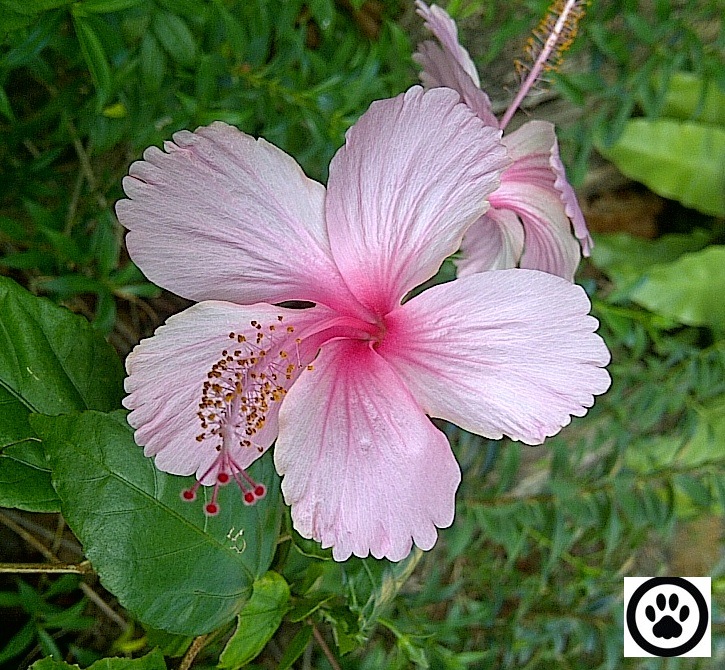
Ice pink!
Pink is the colour for relaxation and good health, as in being ‘in the pink’ and having ‘pink rosy cheeks’. It is also the universal colour of love. So, please start loving cats.
Red hibiscus
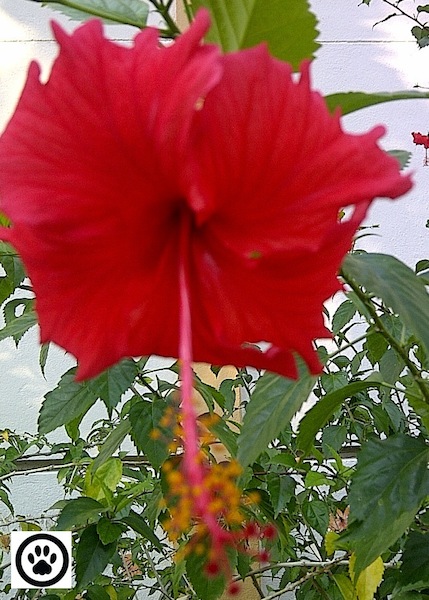
Red is the colour of vigour and courage. It has high visibility. That’s the reason why humans paint the stop signs and fire equipments red.
Orange hibiscus
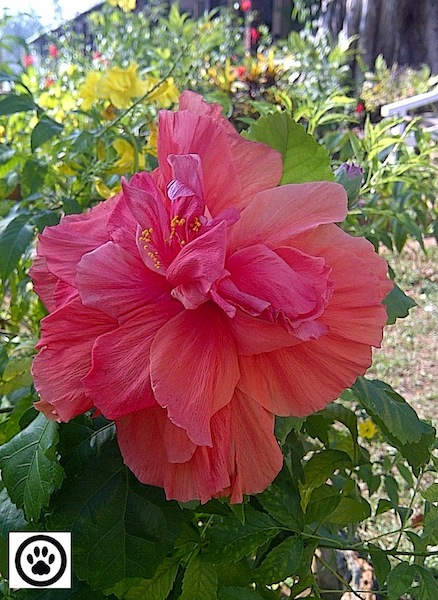
Orange is the colour of warmth and happiness. It brings spontaneity, helping humans to look on the bright side of life.
Yellow bells
Yellow is the colour of joy and happiness. This is the purrrrfect shrub for you if you love yellow. Many humans believed it helps sharpen their memory and concentration skills. No wonder I see so many houses in the neighbourhood planting this shrub in their garden.
But here’s the interesting part. Have you ever seen a coconut tree using the yellow bells as a hula skirt? Well, see it for yourself…

Hey….let’s do the hula dance!
Okay folks, meow-ry melodies!


(Photo credit: http://www.justpo.st)
Why were the teacher’s eyes crossed?
Because she couldn’t control her pupils.

Two kids are sitting in a high school auditorium, listening to the principal give the welcoming speech for the year.
The principal says, “The two greatest dangers that students face are ignorance and apathy.”
One of the students turns to his friend and asks, “Dude, what’s ignorance and apathy?'”
The other student, bored and restless and wanting for the speech to end says, “I don’t know and I don’t care.”


 New Bloggy Cat [NBC]